


The fascination with the human body,
The honour of being asked for guidance,
The appreciation for assisting someone with an illness, these assets always retain their charm.
To be a doctor is to enjoy the finest and most lasting union of novelty, efficiency, and compassion, the three traits that have the greatest allure for the clear and strong minds.
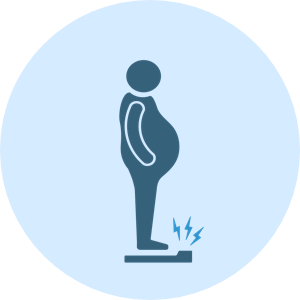
Obesity is a complex disease involving an excessive amount of body fat. Obesity is not just a cosmetic concern. It is a medical problem that increases your risk of other diseases and health problems, such as heart disease, diabetes, high blood pressure and certain cancers.
Dietary changes increased physical activity and behavior changes can help you lose weight. Prescription medications and weight-loss procedures such as bariatric surgeries are additional options for treating obesity. All these services are available in our center.
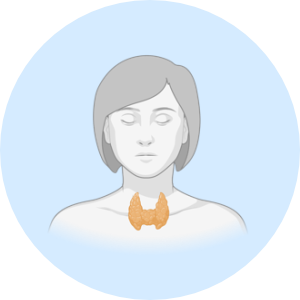
The thyroid gland is an endocrine gland. It makes a hormone called thyroid hormone, which is involved in regulating the body’s metabolism. The gland is shaped like a butterfly and located in the front of the neck below the Adam’s apple.
Two conditions might develop due to Thyroid Gland Disorder:
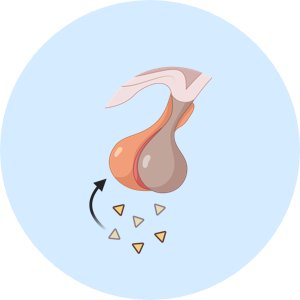
Hypopituitarism is a rare disorder in which your pituitary gland fails to produce one or more hormones or does not produce enough hormones. These hormone deficiencies can affect any number of your body’s routine functions, such as growth, blood pressure or reproduction. Symptoms typically vary, based on which hormone or hormones you are missing.
The most common disease associated with Pituitary Gland Disorder is Growth disorders. If you have hypopituitarism, you will likely need to take medication for the rest of your life. Medication helps replace the missing hormones, which helps control your symptoms.
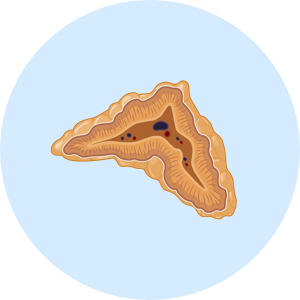
Adrenal glands produce hormones that help regulate your metabolism, immune system, blood pressure and other essential functions.
There are two main categories of adrenal insufficiency:
Primary adrenal insufficiency occurs when adrenal glands produce too little cortisol and, often, too little aldosterone. Most often, this takes the form of a long-term (chronic) disease called Addison’s disease.
Secondary adrenal insufficiency when the pituitary gland makes an insufficient amount of a hormone called “adrenocorticotropic hormone.” This hormone stimulates the adrenal gland to produce cortisol. If the pituitary gland somehow is damaged or altered, it can affect adrenal gland cortisol secretion, even if the adrenal glands are healthy. Secondary adrenal insufficiency is most commonly caused by medications, such as prednisone.
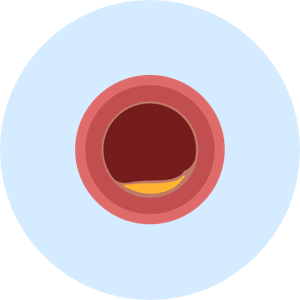
Cholesterol is a substance found in your blood. Your body needs cholesterol to build healthy cells, but high levels of cholesterol can increase your risk of heart disease.
With Hyperlipidemia or high cholesterol, you can develop fatty deposits in your blood vessels. Eventually, these deposits grow, making it difficult for enough blood to flow through your arteries. Sometimes, those deposits can break suddenly and form a clot that causes a heart attack or stroke. A healthy diet, regular exercise and sometimes medication can help reduce high cholesterol.
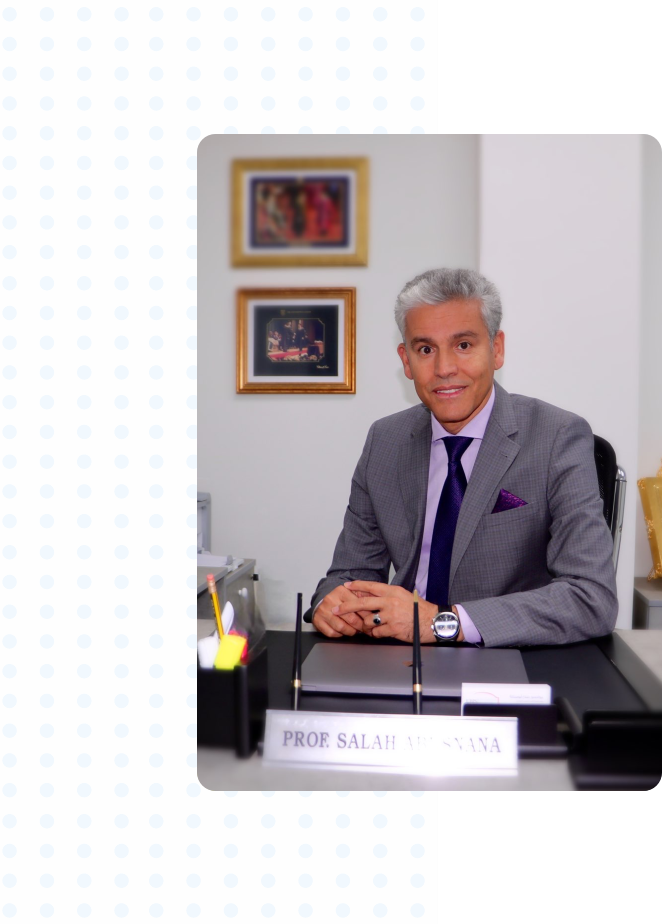
Director of the University of Sharjah Center for Diabetes
Deputy Chair of Clinical Science Department, UOS
Program Director for MSc in Diabetes Management, UOS
Director of Diabetes and Endocrine Center, UHS
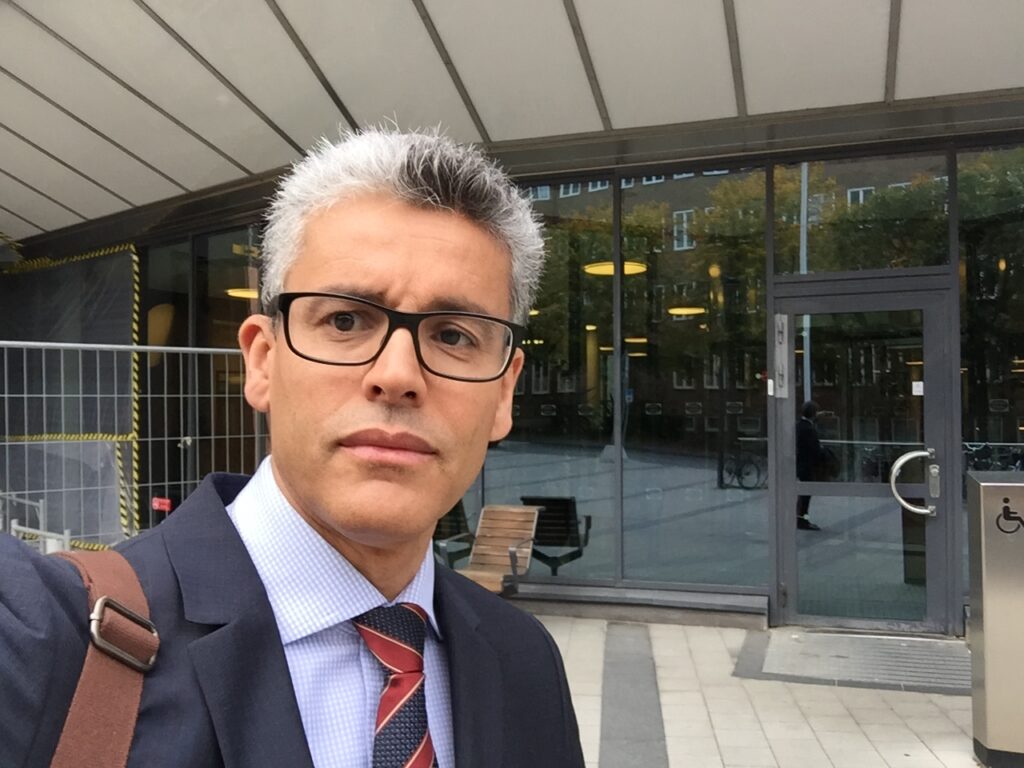
I am a Professor of Endocrinology engaged in patient care, education, and research. I have devoted my career to the development and refinement of Diabetes management that improve the safety and efficacy of the latest available medicines and technology, specifically in patients with complex diabetes-related complications and endocrine disorders.
A Lifelong Pursuit of Excellence in Diabetes and Endocrine Care
Embarking on a journey that has spanned continents and decades, I, Prof. Salah Abusnana, have dedicated my life to advancing diabetes and endocrine care. From my foundational years in Libya to transformative experiences in the United Kingdom, and culminating in pioneering contributions in the United Arab Emirates, my path reflects a commitment to innovation, education, and compassionate healthcare.
My medical journey commenced with a degree from Al-Fatah University in Libya in 1990. Driven by a desire to broaden my expertise, I relocated to the United Kingdom in 1994, where I trained at esteemed institutions including Hammersmith Hospital, Guys and St. Thomas Hospital, and Brighton University Hospital. These formative years were marked by rigorous clinical practice and groundbreaking research, leading to the attainment of my MRCP in 1995, an MSc in Neuroendocrinology in 1996, and a Ph.D. from Imperial College London in 2001.
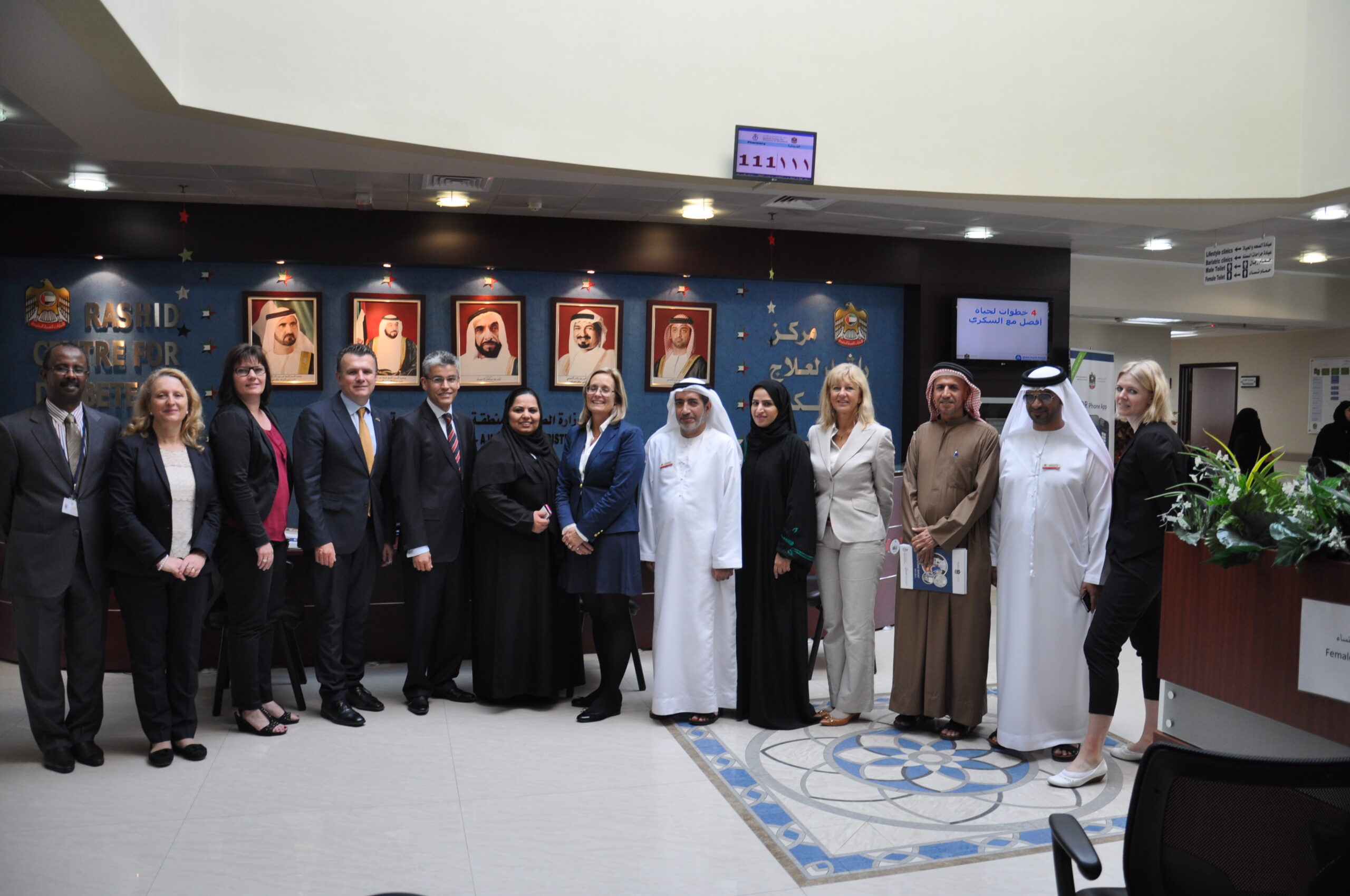
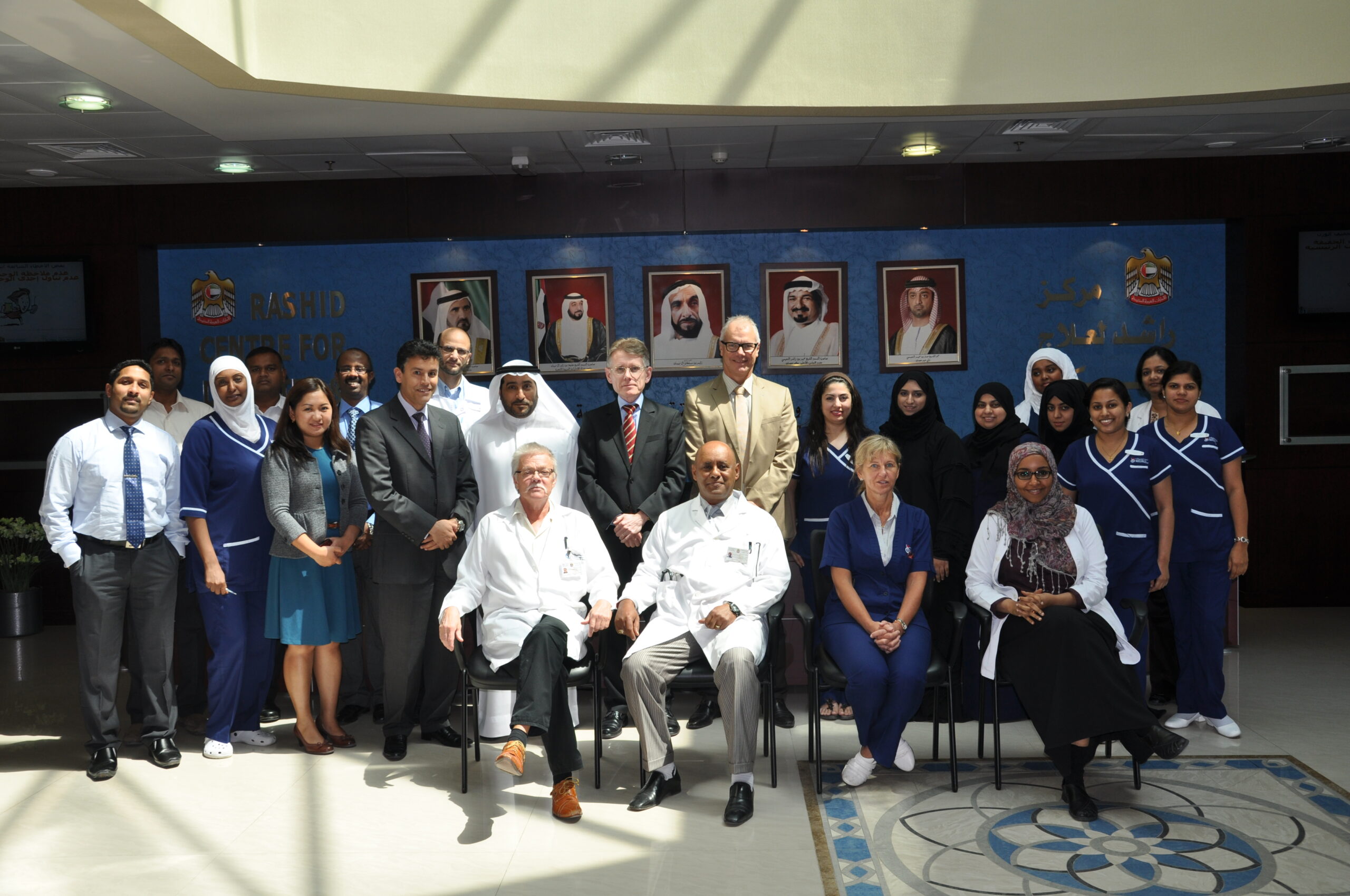
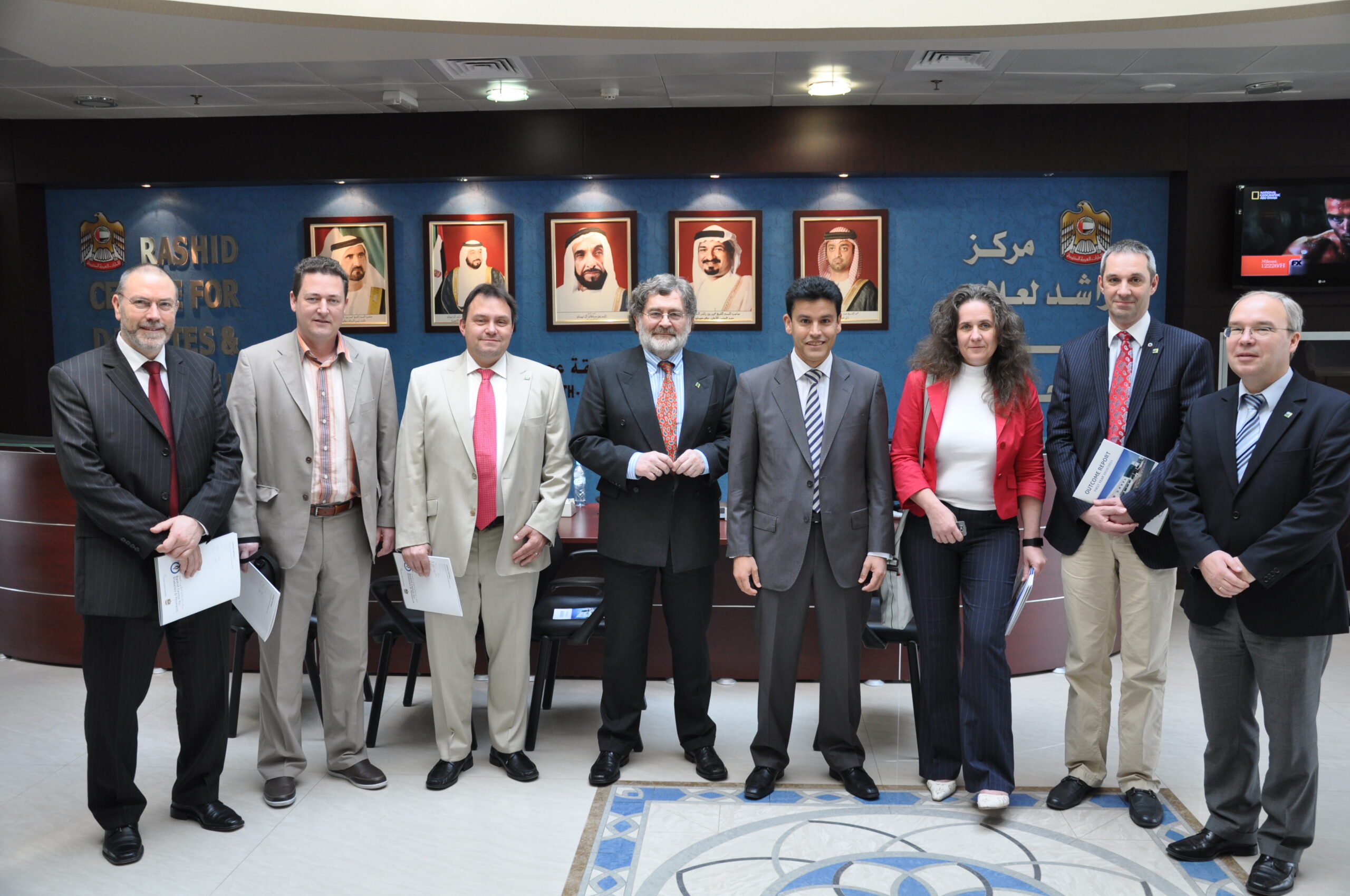
In 2010, I embraced an opportunity in the United Arab Emirates, joining University Hospital Sharjah as a Senior Consultant in Diabetes, Endocrinology, and Internal Medicine. Subsequently, I assumed the roles of Professor and Deputy Chair for the Clinical Science Department at the University of Sharjah. In 2011, I was honored to be appointed Medical Director of the Rashid Centre for Diabetes and Research (RCDR) where I introduced innovative services such as insulin pump therapy and weight management, establishing new standards in the region.
A significant milestone was the creation of the Master of Science in Diabetes Management at the University of Sharjah—the first program of its kind in the UAE. Conceived in 2016 and launched in 2020, this program empowers healthcare professionals with advanced expertise to combat the growing diabetes epidemic. In 2018, I founded the Sharjah Diabetes and Endocrine Center of Excellence and the Sharjah Diabetes Research Institute, integrating research with clinical care to address critical healthcare challenges.
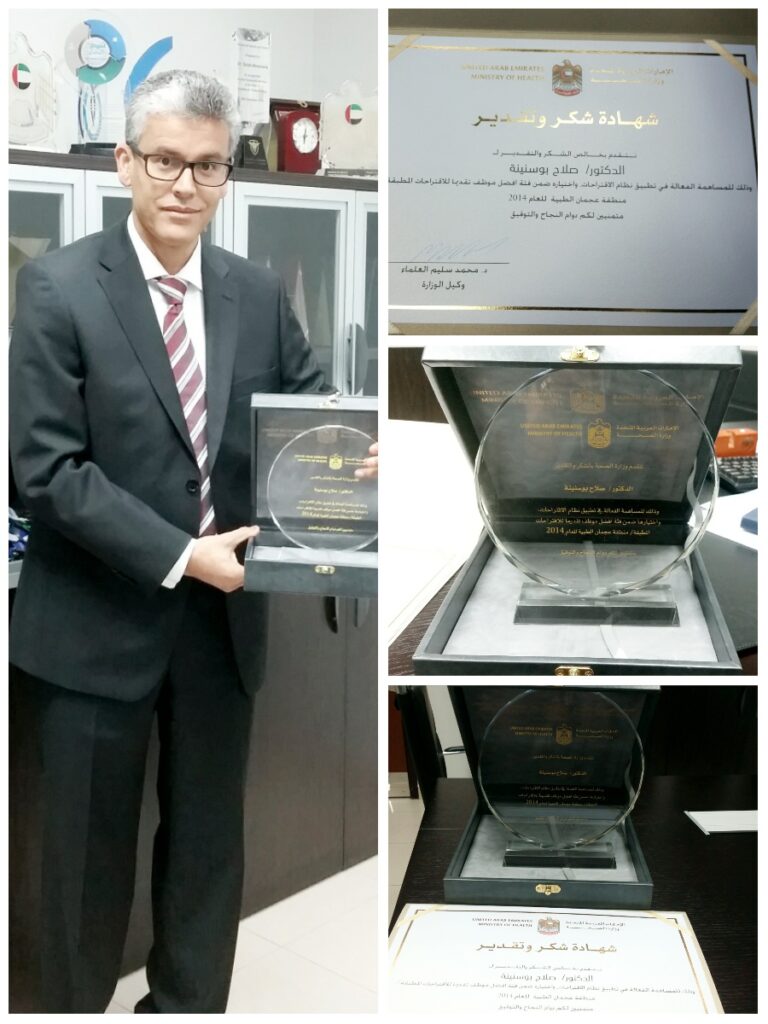
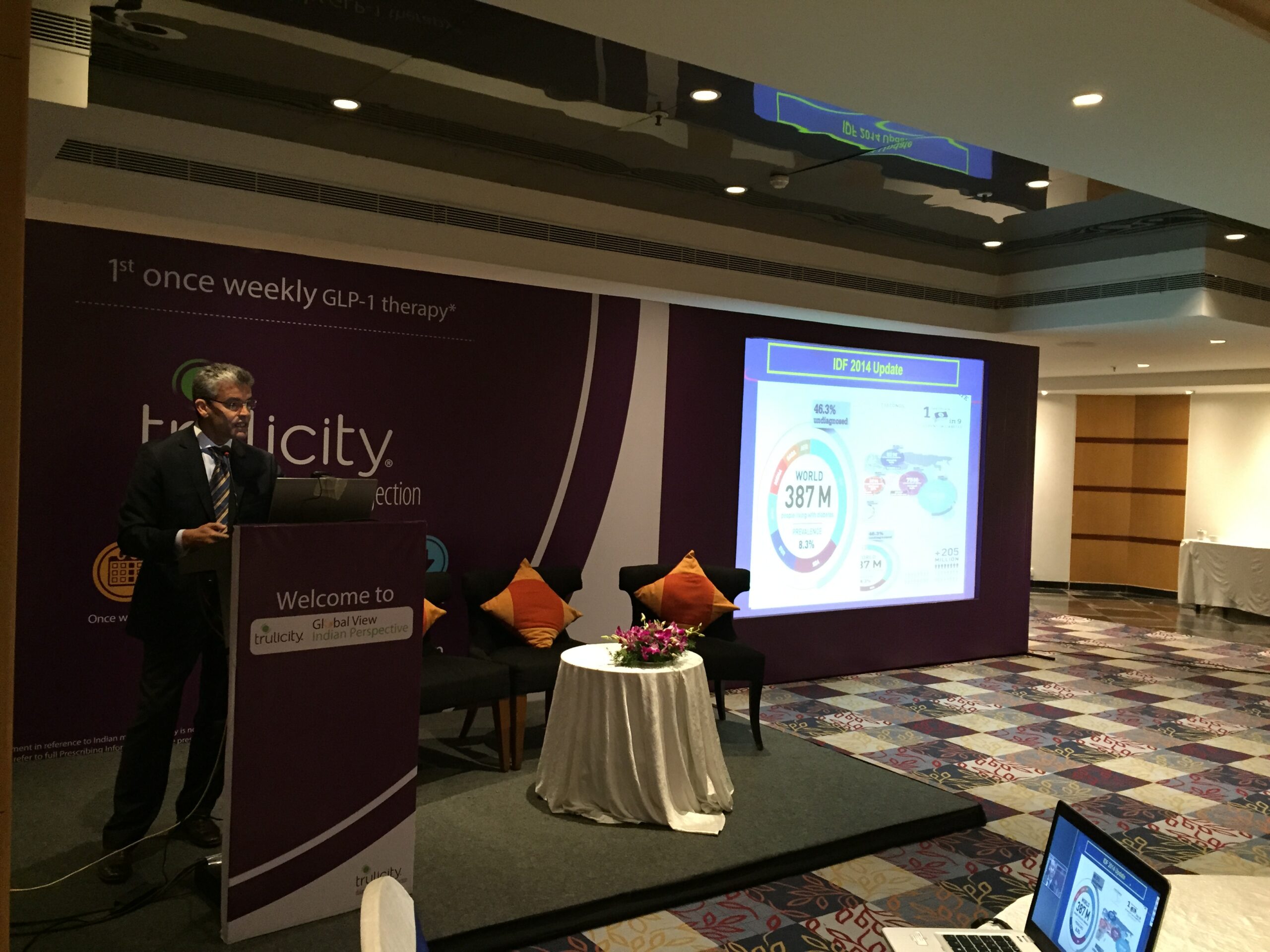
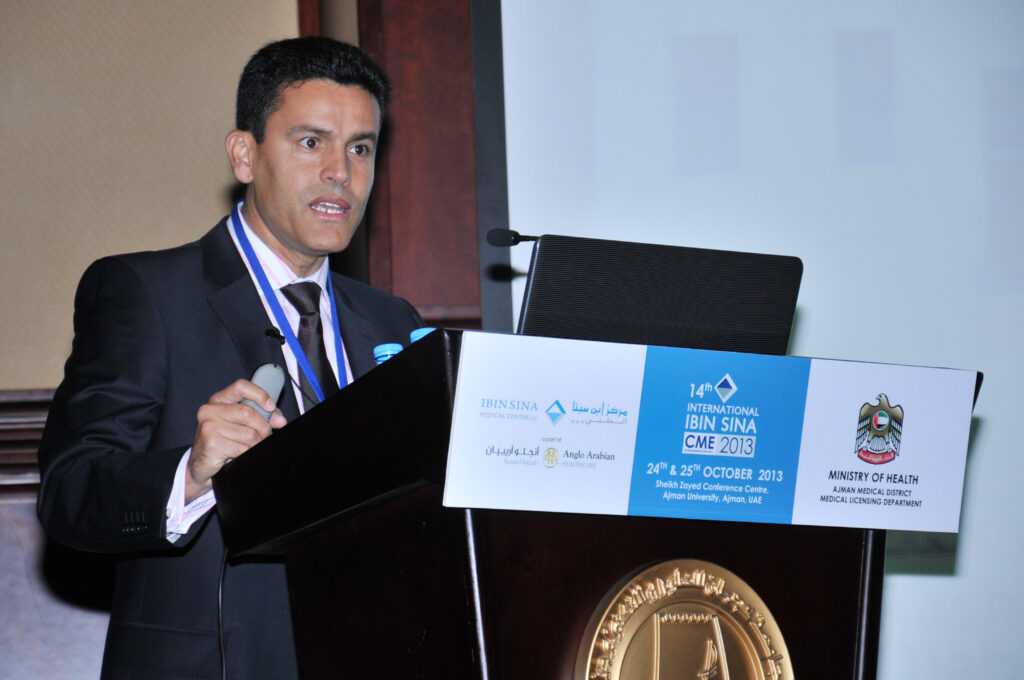
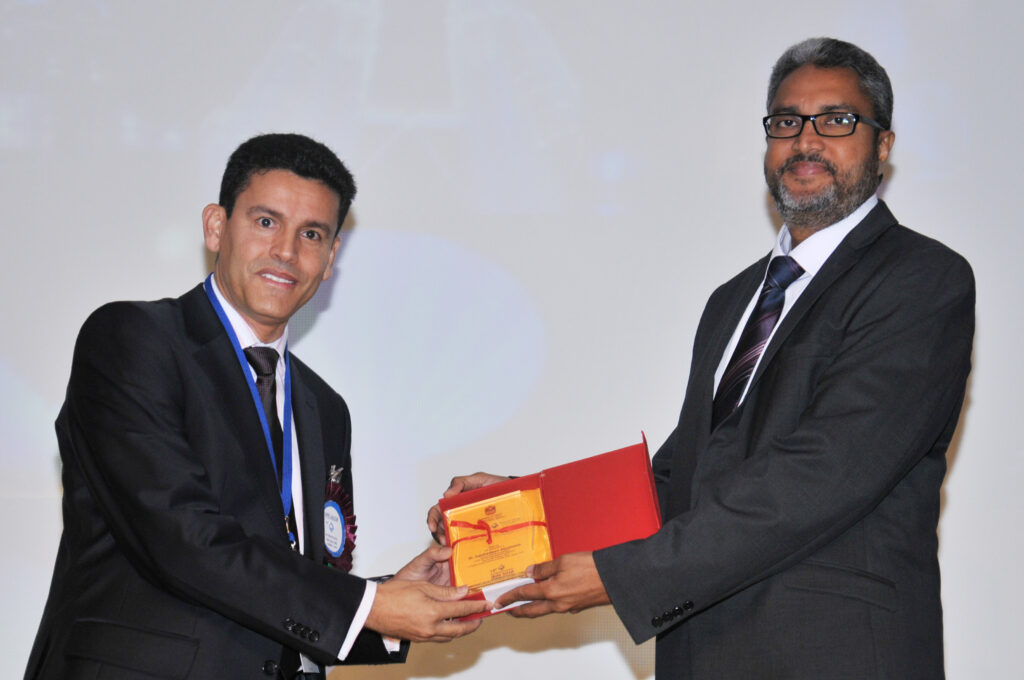
Beyond clinical practice and research, I have been deeply engaged in global knowledge sharing, delivering keynote addresses at prestigious international conferences and collaborating with esteemed organizations such as the British Endocrine Society, the European Society of Diabetes, and the American Diabetes Association. In addition to these speaking engagements, I have had the privilege of chairing influential board meetings, contributing to strategic decision-making committees, and serving as a trusted advisor to various healthcare organizations.My efforts in advancing diabetes and endocrine care have been recognized with numerous awards for leadership, innovation, and excellence in the field. These honors reflect not only my personal dedication but also the collective achievements of the remarkable teams and communities I have been fortunate to work alongside throughout my journey.
My career is driven by a singular purpose : to improve lives through compassionate care, innovative research, and education. From the corridors of London’s leading hospitals to the healthcare institutions of the UAE, my journey underscores the power of vision, collaboration, and commitment in shaping the future of diabetes care and education.
Key Milestones:
I want to assist you in achieving your goal and treating the illness by providing you with an integrated care system
As a medical doctor with over 25 years of experience who treats you as an individual, I take an all-rounded Multi-Disciplinary Team MDT approach by bringing all elements of the diabetes ecosystem together, including medical devices, education, and therapeutics for you.
My vision is to revolutionize the local healthcare delivery system by dedicating my life to it
To understand the causes and consequences of diabetes, I have trained with leading scientists and physicians worldwide for years and thousands of hours. To help you regain control over your health, to impart all that I’ve learned. As a part of the centre of excellence for innovation in diabetes research, education, and clinical care, I aim to tangibly impact diabetes prevention and outcomes in the Emirates and globally.
I strive to achieve good clinical outcomes for my patients to provide them with the best possible quality of life
My goal is to bring together researchers and healthcare professionals from a variety of related disciplines to: Lead discoveries in patient-centred research, extensive clinical trials, and basic science across affiliated hospitals and research institutes Create cutting-edge diagnostic trajectories to treat diabetes or avert its complications Find novel uses for contemporary technologies to control diabetes and enhance the Lives of persons with the condition.







Latest Publications

Lorem ipsum dolor sit amete nilher, consectetured adipiscing elit. Nullam feugiat faucibus nibh gravida convallis massa sed fringilla. Pellentesque habitant dolor morbi tristique senectus et netus et malesuada fames ac turpis egestas.
Phone Number : +971505605029
Email Address: zuira.tariq@gmail.com
Skype ID : uremail@gmail.com
Permanent Address :
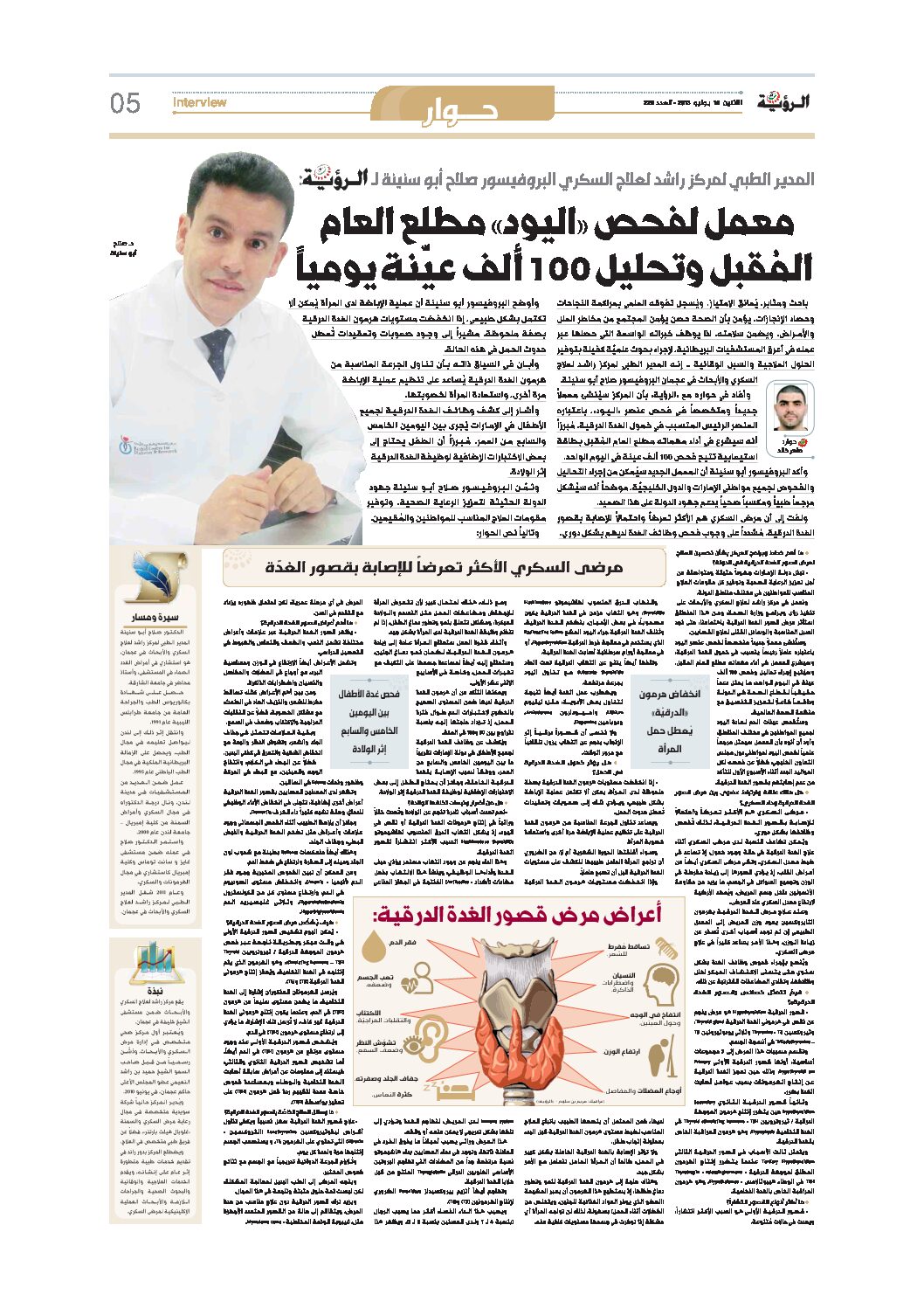
Image Box text
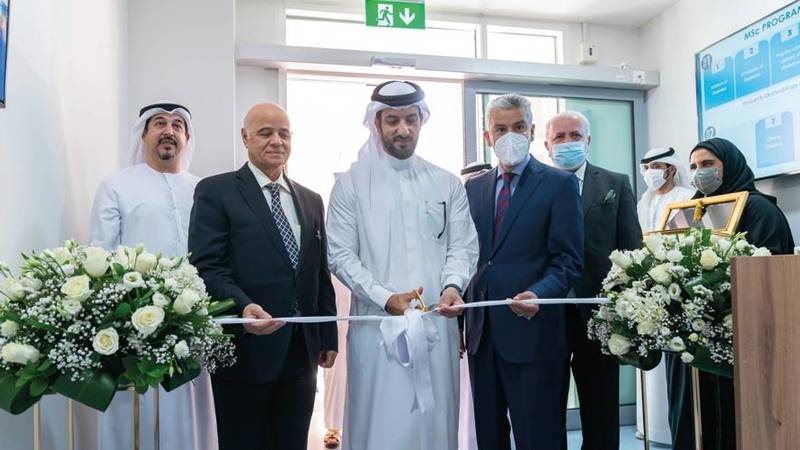
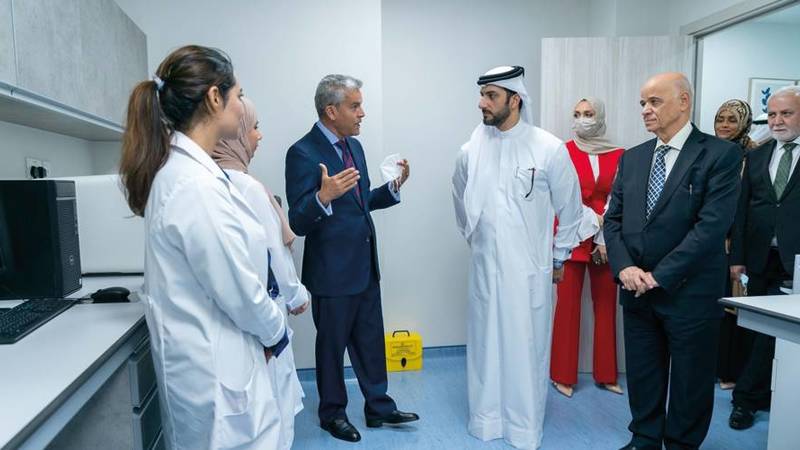
معمل لفحص »اليود« مطلع العام المُقبل وتحليل ١٠٠ ألف عيّنة يومياً
A laboratory to test “iodine” early next year and analyze 100,000 samples per day
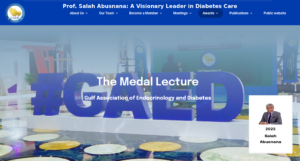
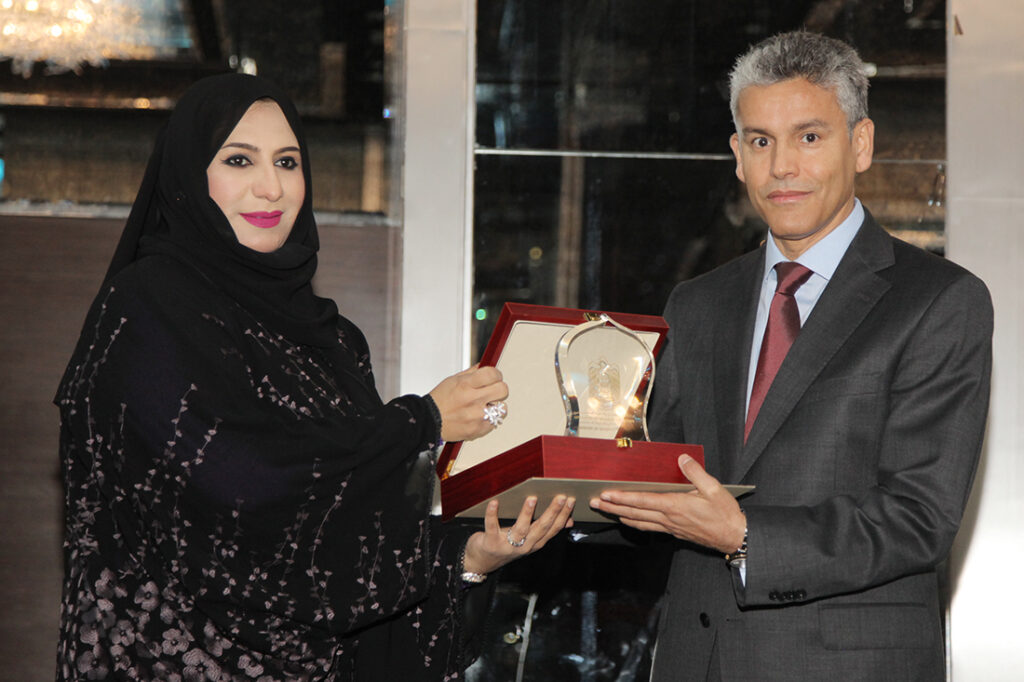
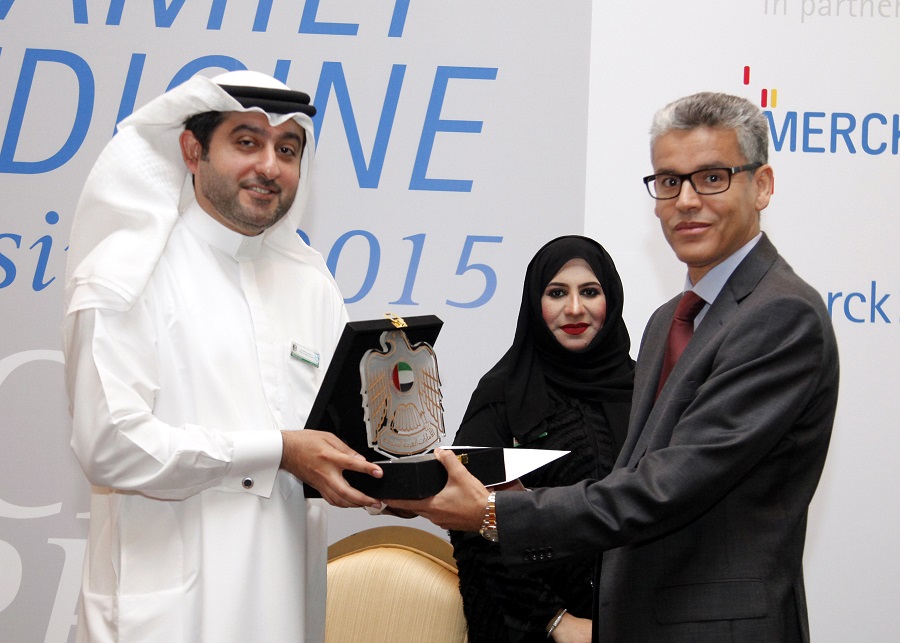
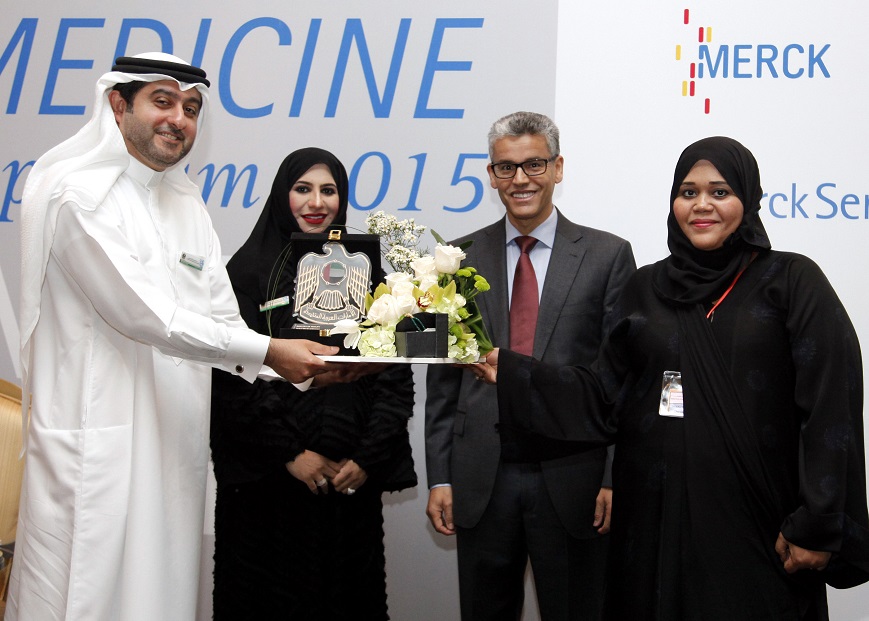
GAED Awards 2023